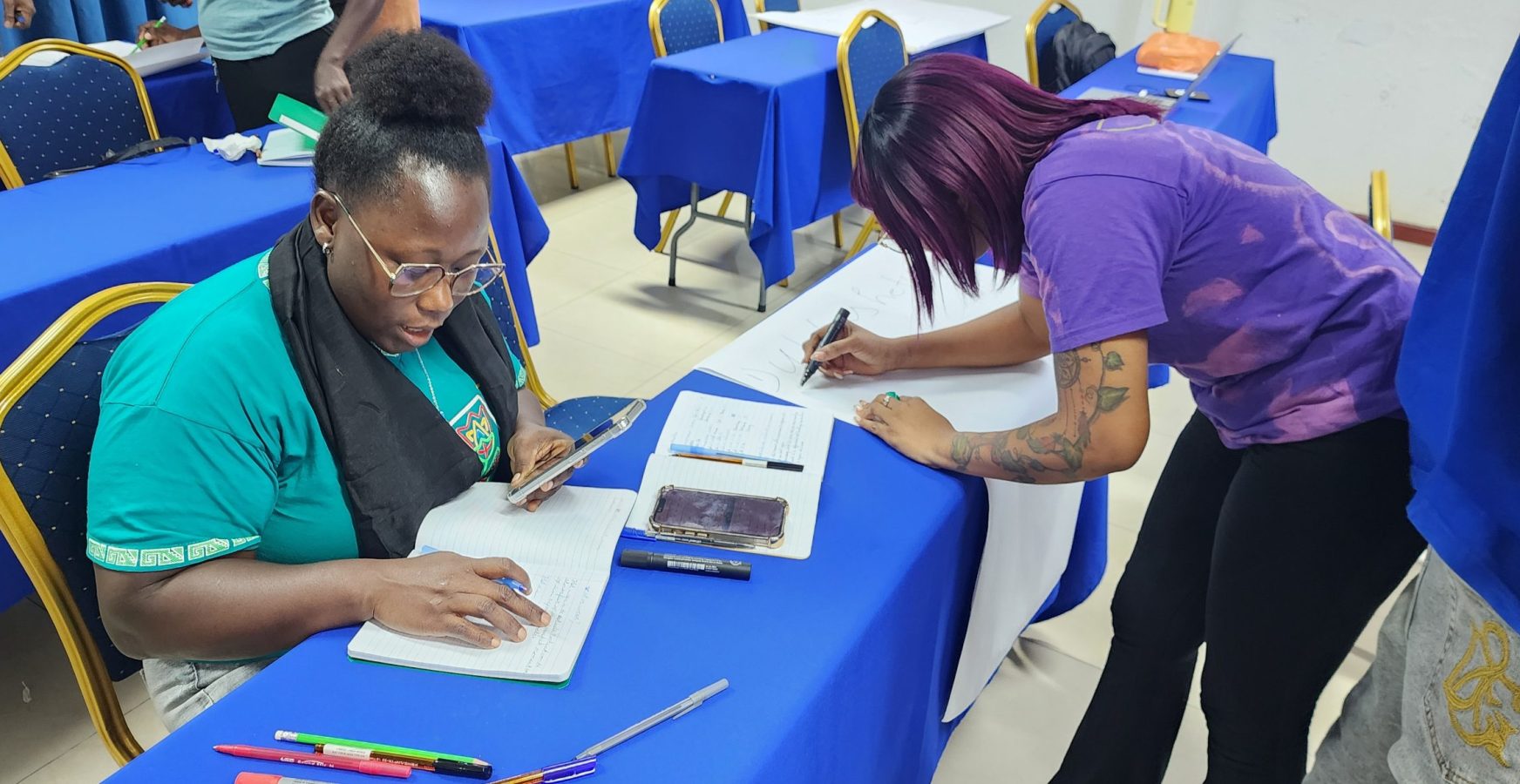
Climate change is having an increasing impact on Saamaka communities. Floods, droughts, and increasing pressure on forests and natural resources affect food security, livelihoods, and community well-being, among other things. At the same time, the communities possess valuable traditional knowledge and practices that are important for the sustainable management of their living environment.
Tropenbos Suriname has launched a new initiative aimed at strengthening the role of Saamaka youth in developing climate-resilient landscapes and locally driven climate solutions in the Upper Suriname area.
Through the project ‘Empowering Saamaka Youth for Climate-Resilient Landscapes and Locally Driven Solutions’, supported by Global Affairs Canada (GAC), the Caribbean Biodiversity Fund (CBF), and Green Heritage Fund Suriname (GHFS), Tropenbos Suriname is investing in a new generation of local leaders.
Building knowledge, skills and leadership
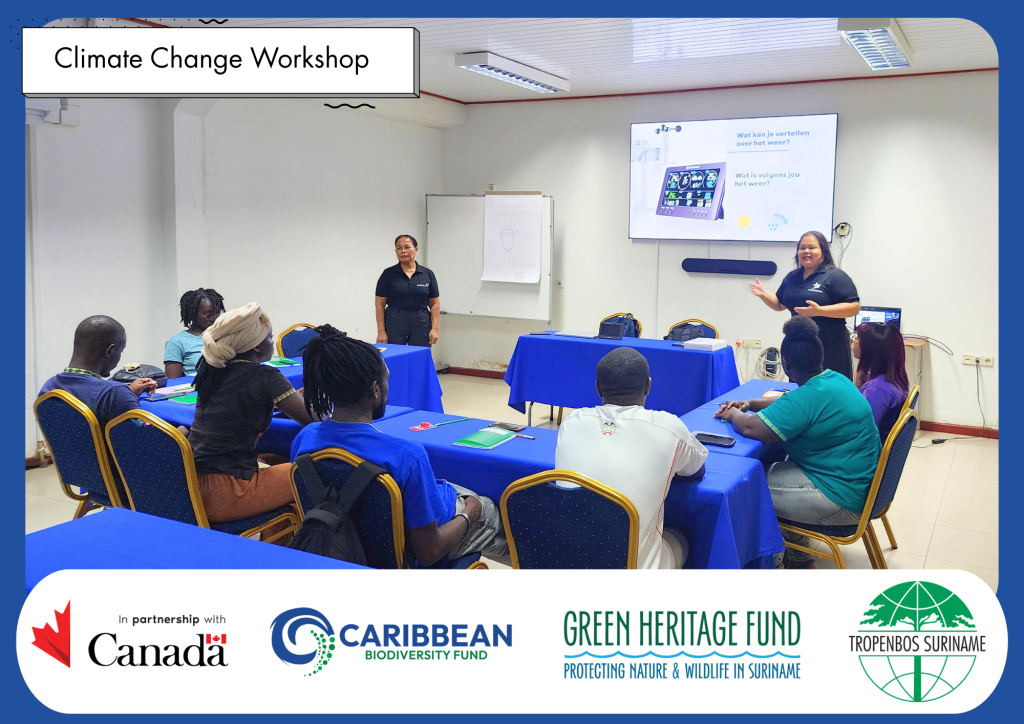
The project will strengthen the capacities of 6-10 young people between the ages of 18 and 37, with at least 50% participation of young women, in areas including:
- Climate change and its local impacts;
- Climate-smart practices and sustainable forest management;
- Territorial and forest governance;
- Technical monitoring skills, including the use of GPS, drones and camera traps;
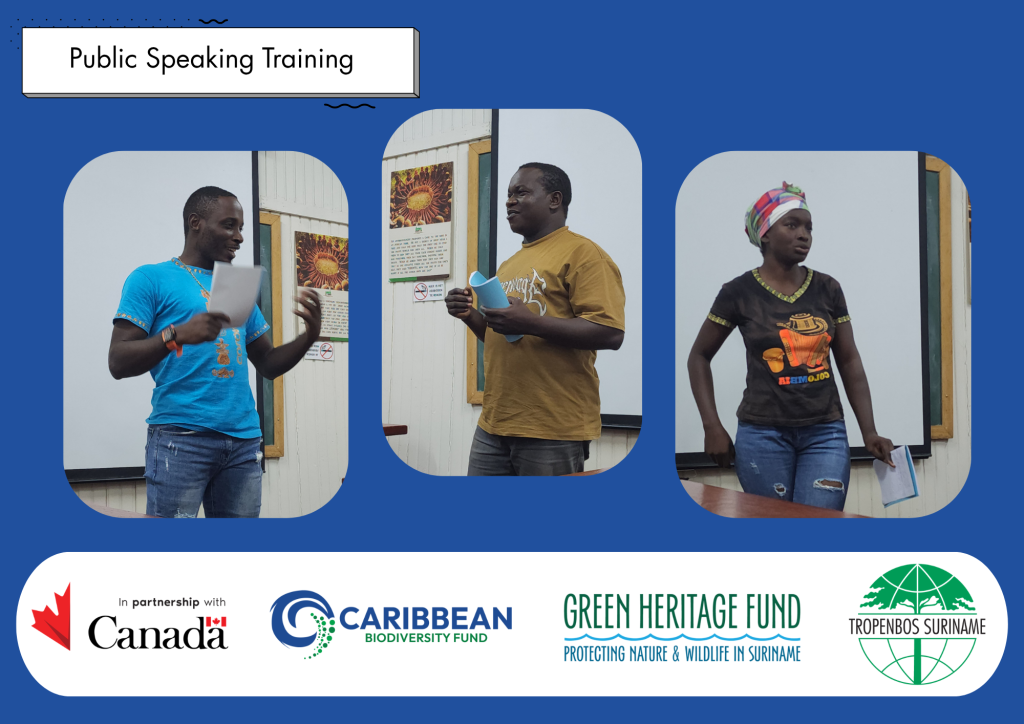
- Leadership, facilitation and public speaking;
- The English language and intercultural communication; and
- Communication and advocacy.
An important element of the project is bringing together traditional Saamaka knowledge, deeply rooted in the cultural and spiritual context of the community, and scientific knowledge. Elders, community leaders and other experienced community members will contribute to knowledge exchange and mentorship, supporting stronger intergenerational learning.
From participants to local leaders
The project goes beyond training. Young participants will have opportunities to put their knowledge into practice by co-designing and facilitating workshops, supporting peer-to-peer learning and developing awareness and communication activities within their communities.
Youth voices will also be strengthened through radio programs, short videos, social media, testimonials and policy-oriented communication. This will help bring local experiences and perspectives on climate change and forest governance into wider national and international discussions.
Particular attention will be given to strengthening the participation and visibility of young women. Safe learning spaces, mentorship, suitable times and targeted leadership support will be used to address barriers that can limit young women’s participation in climate and forest governance.
Building on our work in the Upper Suriname River area
The initiative builds on relationships and experiences developed through the Working Landscapes Programme (2019–2025). Rather than seeing communities only as beneficiaries, the project places young people and other community actors at the center of implementation, learning and decision-making.
By investing in young people today, the project aims to create a group of community-rooted leaders who can continue sharing knowledge, supporting sustainable livelihoods and contributing to climate and forest governance beyond the project period.
Ultimately, the project seeks to strengthen both people and landscapes: increasing youth leadership and inclusion while contributing to better forest stewardship, climate resilience and sustainable livelihoods in Saamaka communities.
This project is implemented as part of the CORE project, with the support of Global Affairs Canada (GAC), the Caribbean Biodiversity Fund (CBF), and the Green Heritage Fund Suriname (GHFS). Their support contributes to strengthening youth leadership, gender inclusion, and locally driven solutions for climate-resilient landscapes in Suriname.